
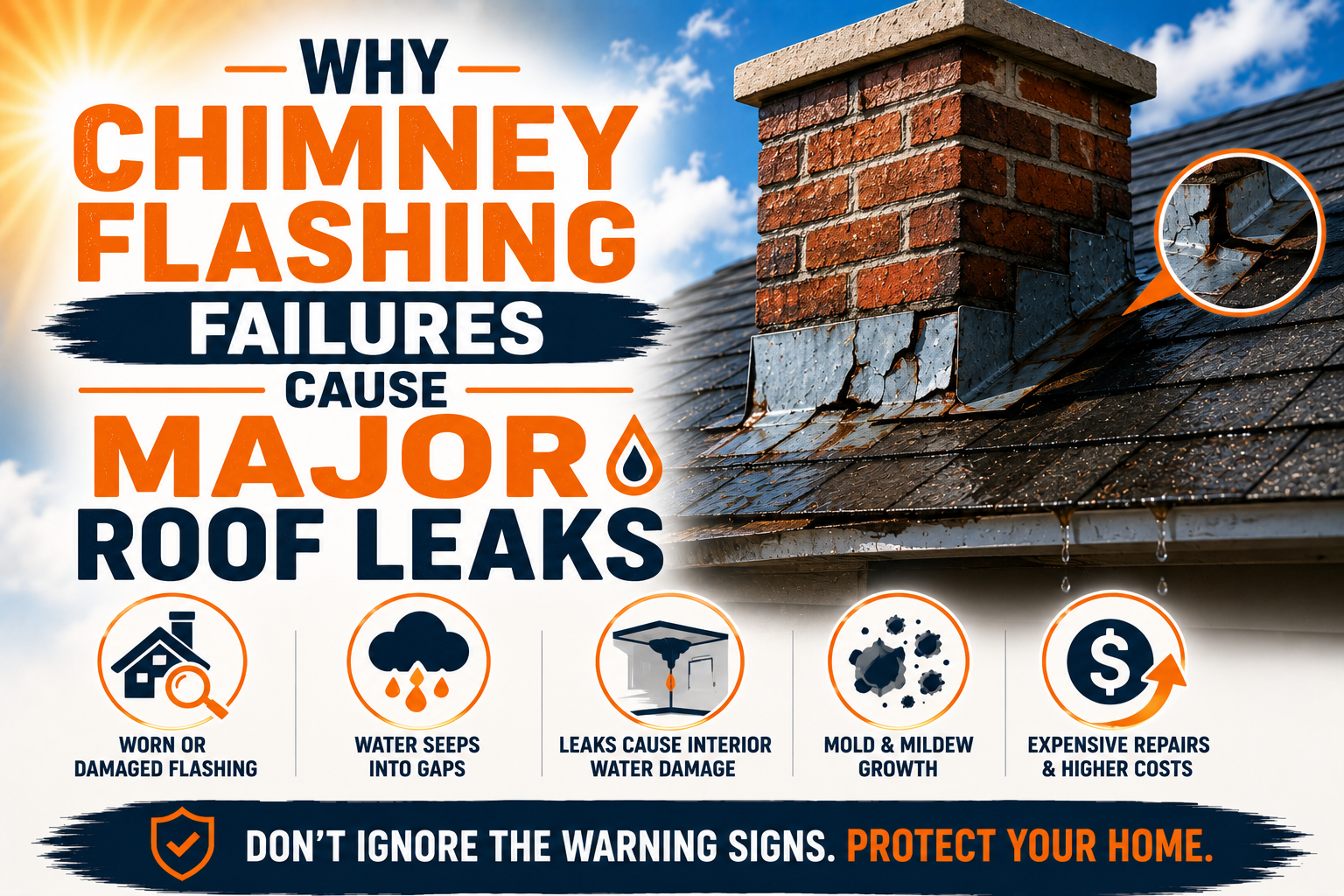
Why Chimney Flashing Failures Cause Major Roof Leaks
Introduction
A roof is designed to protect a building from rain, snow, wind, and other environmental elements. However, even the strongest roofing system contains areas that require additional protection because different building components meet at those points. One of the most vulnerable locations is where the chimney passes through the roof.
Many homeowners pay attention to shingles, tiles, or metal roofing panels but overlook chimney flashing. Although flashing occupies only a small portion of the roof, it performs one of the most important functions in preventing water intrusion. When flashing fails, rainwater can enter the roofing system and gradually cause widespread damage that may remain hidden until major repairs become necessary.
Chimney flashing failures are responsible for a significant number of roof leaks because the chimney interrupts the continuous surface of the roof. Every transition between different materials creates an opportunity for water to penetrate if it is not properly sealed. Flashing is specifically designed to manage this challenge by directing water safely away from the chimney and back onto the roof.
Even a small gap in the flashing system can allow water to enter the roof structure during heavy rain. Once moisture bypasses the protective layers, it may spread beneath roofing materials, soak insulation, damage wooden framing, and eventually appear as stains on ceilings or walls. By the time these visible signs appear, the leak has often been developing for weeks or even months.
Understanding why chimney flashing fails and how those failures lead to major roof leaks helps homeowners recognize potential problems before they become expensive repairs. Learning about flashing also makes it easier to appreciate why proper installation, regular inspections, and timely maintenance are essential parts of protecting any roofing system.
What Is Chimney Flashing?
Chimney flashing is a system of metal components installed around the base of a chimney where it meets the roof. Its primary purpose is to create a watertight transition between the chimney structure and the roofing materials. Since these two surfaces expand, contract, and move differently over time, flashing provides a flexible barrier that keeps water from entering the gap.
Unlike roofing shingles that mainly shed water down the roof slope, flashing actively redirects water away from vulnerable joints. It works by overlapping roofing materials in a way that allows rainwater to continue flowing naturally without finding an opening beneath the roof surface.
Most chimney flashing is made from durable metals such as galvanized steel, aluminum, copper, or stainless steel. These materials are selected because they resist corrosion while maintaining strength through years of exposure to changing weather conditions.
Although flashing may appear simple from the ground, it is actually a carefully engineered system made up of multiple pieces. Each section performs a specific function, and together they create continuous protection around the chimney.
Properly installed chimney flashing often lasts many years. However, weather exposure, aging materials, poor workmanship, or structural movement can eventually reduce its effectiveness if maintenance is neglected.
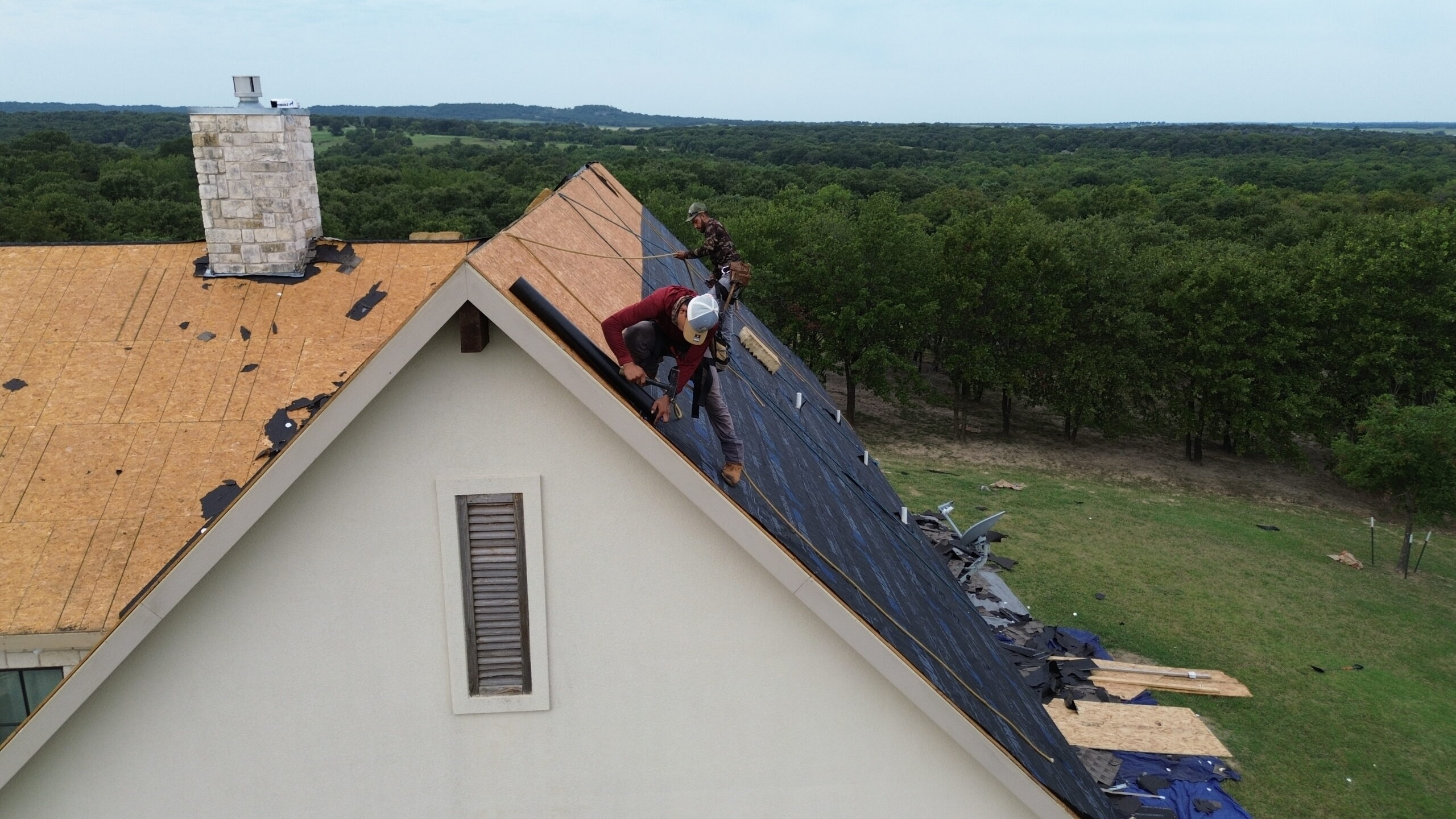
Why-Chimney-Flashing-Is-Essential-for-Every-Roofing-System
Why Chimney Flashing Is Essential for Every Roofing System
The area where a chimney passes through the roof presents a unique waterproofing challenge. Unlike the smooth surface of the roof, the chimney creates vertical walls that interrupt water flow and increase the possibility of leaks.
Rainwater naturally follows gravity as it moves down the roof. When it reaches the chimney, the flow changes direction and moves around the sides before continuing toward the gutters. Without properly installed flashing, water can collect at these transition points and seep beneath roofing materials.
Flashing creates a controlled pathway that allows water to move safely around the chimney. Instead of entering joints between masonry and roofing materials, water is guided back onto the roof surface where normal drainage continues.
This protective function becomes especially important during heavy storms. Wind driven rain can force water into tiny openings that might otherwise remain dry during normal rainfall. Flashing provides an additional barrier against these more demanding weather conditions.
Every roofing system experiences movement throughout the year due to changing temperatures. Roofing materials expand in hot weather and contract as temperatures drop. Chimney flashing is designed to accommodate this movement while maintaining an effective seal against water intrusion.
Without properly functioning flashing, even a high quality roof becomes significantly more vulnerable to leaks.
How Chimney Flashing Prevents Water Intrusion
The effectiveness of chimney flashing comes from its layered design rather than relying on a single seal or adhesive. Instead of simply blocking water, flashing manages water movement by directing it away from vulnerable areas.
As rain flows down the roof, it reaches the flashing before encountering the chimney. Each flashing component overlaps adjacent materials in a specific sequence that encourages water to remain on the outside of the roofing system.
Gravity plays an important role in this process. Water naturally follows the overlapping layers instead of entering beneath them. This principle has been used in roofing construction for generations because it remains one of the most reliable methods of preventing leaks.
Flashing also works together with roofing underlayment and waterproof membranes. These additional layers provide backup protection if small amounts of moisture manage to bypass the outer roofing materials.
Sealants are sometimes used to reinforce flashing systems, but they should never serve as the primary defense against water. Quality flashing depends mainly on proper design and installation rather than excessive use of caulking or roofing cement.
When all components are correctly installed, chimney flashing creates a durable moisture management system capable of protecting the roof for many years.
The Main Components of a Chimney Flashing System
Chimney flashing is not a single piece of metal. Instead, it consists of several individual components that work together to create a complete waterproofing system.
Each piece has a specific purpose, and removing or improperly installing even one section can reduce the effectiveness of the entire assembly.
Step Flashing
Step flashing consists of individual metal pieces installed along the sides of the chimney. Each section overlaps both the roofing material and the next flashing piece, creating a layered arrangement that guides water safely downward.
Because every piece overlaps the one below it, water naturally flows over the flashing rather than beneath it. This overlapping design provides reliable protection even during heavy rainfall.
Step flashing also allows for slight movement between the roof and chimney. Since these structures expand and contract differently, flexibility is essential for maintaining long term waterproof performance.
Proper installation requires careful positioning of every flashing piece. Small alignment errors can create pathways that eventually allow water to enter the roof.
Counter Flashing
Counter flashing is installed directly into the chimney masonry and overlaps the upper edges of the step flashing. Its purpose is to protect the flashing system from water running down the face of the chimney.
Without counter flashing, rainwater flowing along the brick or stone surface could enter behind the step flashing. Counter flashing closes this potential entry point and directs water outward onto the roof.
Because it is embedded into mortar joints, counter flashing provides additional security against wind driven rain. It also protects sealants from prolonged weather exposure, helping extend the overall lifespan of the flashing system.
Properly installed counter flashing remains one of the most important defenses against chimney related roof leaks.
Base Flashing
Base flashing protects the front section of the chimney where water first encounters the structure as it flows down the roof.
This flashing directs water around the lower edge of the chimney while maintaining a watertight connection with surrounding roofing materials. It works together with step flashing to manage water movement efficiently.
The shape of base flashing must match both the roof slope and chimney dimensions. Proper fitting helps eliminate gaps that could otherwise allow moisture to penetrate.
Although base flashing is often less noticeable than other components, it performs an essential role in the overall waterproofing system.
Cricket or Saddle Flashing
Large chimneys often require an additional feature known as a cricket or saddle. This raised structure is installed on the uphill side of the chimney where water naturally accumulates.
Instead of allowing water to collect behind the chimney, the cricket divides the flow and redirects it toward both sides of the roof. This greatly reduces the amount of standing water that could contribute to leaks.
Crickets are especially valuable in regions with heavy rainfall or snow accumulation. They help prevent debris buildup while improving drainage around one of the roof’s most vulnerable areas.
For wider chimneys, building codes in many regions recommend or require properly constructed crickets because of their effectiveness in reducing water related problems.
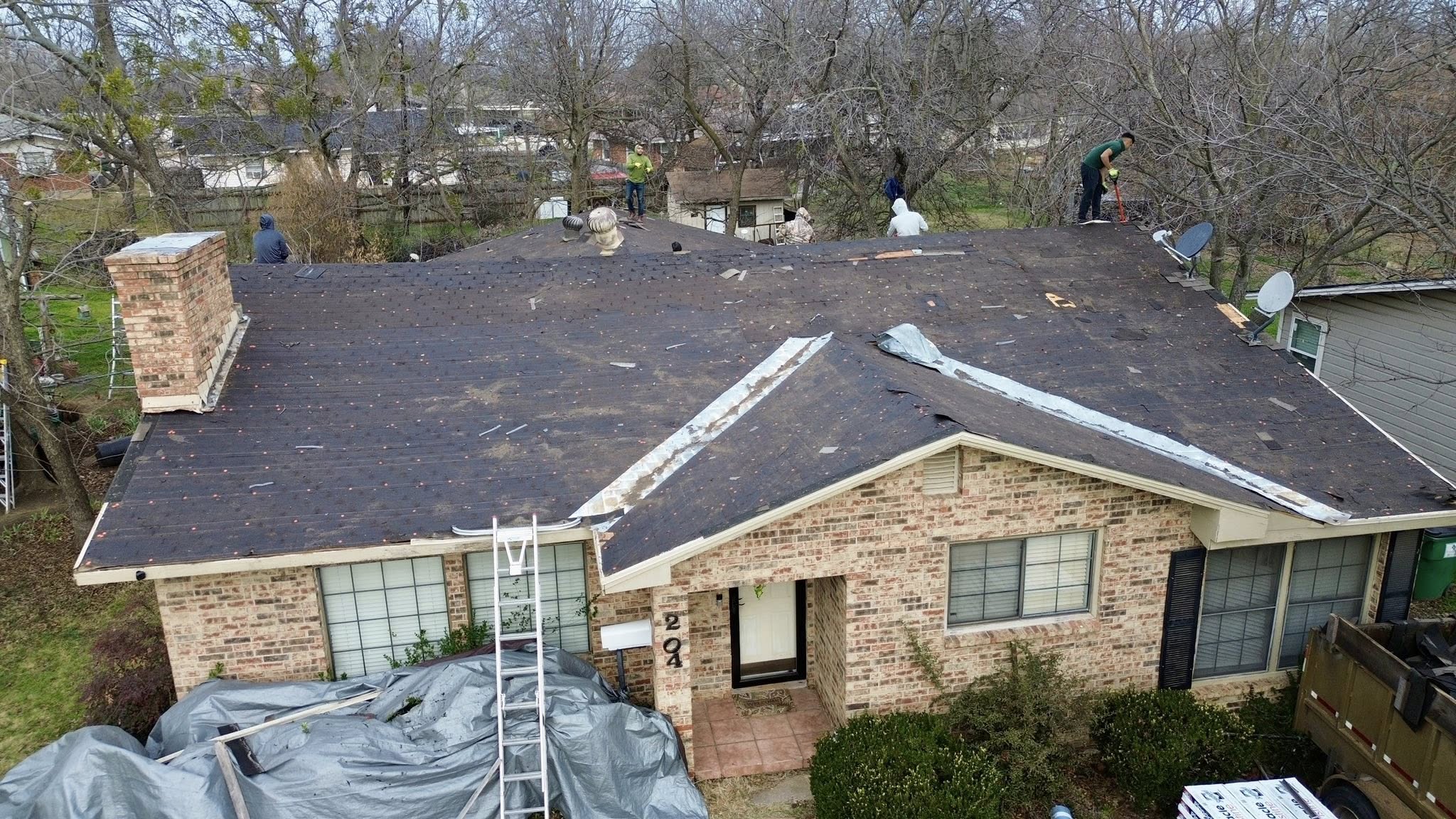
Why the Chimney Area Is One of the Most Vulnerable Parts of a Roof
Every roof contains locations where different building materials come together. These transition points are naturally more susceptible to leaks because they interrupt the continuous protective surface of the roof.
A chimney introduces several complex intersections involving roofing materials, masonry, flashing, sealants, and structural framing. Each connection must remain watertight despite constant exposure to weather and temperature changes.
Unlike the rest of the roof, the chimney has vertical surfaces that collect rainwater differently. Water flowing around the chimney changes direction multiple times before continuing toward the gutters, increasing the likelihood of infiltration if flashing is compromised.
Wind also affects chimney areas more than open roof surfaces. Air moving around the chimney can create pressure differences that push rain beneath shingles and flashing components during severe storms.
Snow accumulation presents another challenge. Melting snow may refreeze around the chimney, allowing moisture to remain in contact with flashing for extended periods. This prolonged exposure increases stress on waterproofing materials.
Because so many environmental factors converge at the chimney, this area demands careful design, quality materials, and regular maintenance to remain leak free.
Common Causes of Chimney Flashing Failure
Although chimney flashing is designed for long term durability, several factors can eventually reduce its effectiveness. Understanding these causes helps homeowners recognize potential problems before major leaks develop.
Age is one of the most common reasons flashing begins to fail. Years of exposure to sunlight, rain, snow, and changing temperatures gradually weaken both metal components and sealants.
Improper installation also contributes to many flashing problems. If flashing pieces are incorrectly overlapped, inadequately secured, or poorly integrated with roofing materials, water can enter almost immediately after installation.
Corrosion is another frequent issue. Although many flashing materials resist rust, prolonged exposure to moisture or incompatible metals may eventually lead to deterioration that creates openings for water intrusion.
Structural movement can also affect flashing performance. Houses naturally settle over time, while roofs and chimneys expand and contract at different rates during seasonal temperature changes. These movements may gradually separate flashing from surrounding materials.
Storm damage should not be overlooked. Strong winds, hail, falling branches, and debris can bend flashing, loosen fasteners, or damage sealants, reducing the system’s ability to keep water out.
Neglected maintenance often accelerates all of these problems. Small defects that could have been repaired easily may develop into significant leaks if inspections are postponed for too long.
Early Warning Signs of Flashing Problems
Chimney flashing rarely fails without providing warning signs. Recognizing these indicators early allows repairs to be completed before widespread water damage occurs.
One of the first signs is cracked or deteriorating sealant around the flashing. Although sealant is not the primary waterproof barrier, visible deterioration often suggests that the flashing system should be inspected more closely.
Rust stains on flashing components may indicate corrosion that could eventually weaken the metal. As rust progresses, small holes or thinning areas may develop and allow water to enter.
Loose flashing pieces should also receive immediate attention. Even slight movement can create gaps that become larger during storms or seasonal temperature changes.
Inside the home, water stains near the chimney are often among the earliest indications of flashing failure. Discoloration on ceilings, peeling paint, or damp drywall may signal that moisture is already entering the roofing system.
Other warning signs include musty odors in the attic, visible mold growth, or damp insulation around the chimney area. These conditions suggest that water has been entering for some time and should be addressed promptly.
Regular roof inspections make it easier to identify these warning signs before they develop into expensive structural problems.
How Small Flashing Defects Turn Into Major Roof Leaks
Many homeowners assume that a tiny gap in chimney flashing cannot cause significant damage. In reality, even the smallest opening can allow enough water to enter over time to create extensive structural problems.
Water rarely remains confined to one location after entering the roof. It can travel along roof decking, rafters, insulation, and framing before eventually appearing inside the building. This hidden movement often makes the leak seem unrelated to the chimney itself.
Repeated wetting and drying cycles gradually weaken roofing materials. Wooden roof decking may begin to rot, insulation can lose its effectiveness, and metal fasteners may corrode due to continuous moisture exposure.
As damage spreads, repair costs increase substantially. What may have started as a relatively simple flashing repair can eventually require replacement of roofing materials, structural wood, insulation, drywall, and interior finishes.
Small leaks also create ideal conditions for mold growth. Because moisture often remains trapped inside concealed spaces, mold can develop long before homeowners become aware of the underlying problem.
Addressing flashing defects as soon as they are discovered is one of the most effective ways to prevent major roof leaks. Early repairs are generally less expensive, less disruptive, and far more successful than waiting until widespread damage has already occurred.
How Water Travels Through a Roof After Flashing Fails
Once chimney flashing fails, water rarely follows a straight path into the building. Instead, it moves through the roofing system in unpredictable ways, making leaks difficult to locate and repair. This is one reason chimney flashing problems often go unnoticed until considerable damage has already occurred.
Rainwater may enter through a tiny gap between the flashing and the chimney masonry. From there, it can spread beneath shingles, flow along roofing underlayment, and travel across the roof deck before eventually dripping into the attic or living space.
Gravity influences much of this movement, but it is not the only factor. Wind pressure, capillary action, and the slope of the roof all affect how water travels after entering the roofing system.
Because water can move several feet before becoming visible, the location of an interior leak is not always directly below the flashing failure. Homeowners sometimes repair the wrong area because the true source of the leak remains hidden.
Moisture that stays trapped inside the roof can continue causing damage long after a rainstorm has ended. This lingering dampness creates favorable conditions for deterioration even when the roof appears dry from the outside.
Professional roof inspections often include tracing the path of moisture rather than focusing only on the visible leak. Identifying the original entry point is essential for achieving a lasting repair.
Structural Damage Caused by Roof Leaks
One of the most serious consequences of chimney flashing failure is structural damage. The roof supports the entire upper portion of the building, so prolonged moisture exposure can gradually weaken important structural components.
Roof framing members absorb water when leaks continue over time. Repeated wetting causes wood fibers to expand, while drying causes them to shrink. These cycles gradually reduce the strength and stability of the affected materials.
Fasteners such as nails, screws, and metal connectors may also corrode when exposed to moisture. As corrosion progresses, the structural integrity of roof assemblies can decline.
Moisture does not remain limited to the roof itself. Water may spread into walls, ceiling joists, and supporting beams, increasing both repair costs and the complexity of restoration work.
Structural repairs are generally much more expensive than replacing damaged flashing. Addressing flashing problems early helps protect the entire building from unnecessary deterioration.
The longer water intrusion continues, the greater the likelihood that repairs will involve both roofing contractors and structural specialists.
Wood Rot and Roof Deck Deterioration
The roof deck forms the foundation of the roofing system. It provides the surface on which underlayment, flashing, and roofing materials are installed. Keeping this structure dry is essential for long term roof performance.
When chimney flashing leaks allow water to reach the roof deck, the wood begins absorbing moisture. Initially, this may cause slight swelling, but continued exposure can eventually result in decay.
Wood rot develops when fungi thrive in consistently damp conditions. As decay progresses, the wood loses strength and may no longer support roofing materials effectively.
Soft or weakened roof decking can create uneven roof surfaces that further increase the risk of leaks. Damaged decking may also allow roofing nails to loosen, reducing the stability of shingles or other roofing materials.
Replacing rotted roof decking typically requires removing sections of the roof. This makes repairs significantly more expensive than correcting flashing problems before moisture reaches structural wood.
Preventing water intrusion remains the most effective strategy for preserving the strength and durability of the roof deck.
Mold and Mildew Growth
Moisture trapped inside roofing systems creates an ideal environment for mold and mildew. Since chimney flashing leaks often remain hidden, mold may develop before homeowners notice any visible signs of water damage.
Mold spores naturally exist in the environment, but they require moisture to grow. Once water enters insulation, wooden framing, or drywall, mold colonies can begin developing within a relatively short period.
Besides damaging building materials, mold can affect indoor air quality. Occupants may notice musty odors or experience increased sensitivity to airborne particles, especially in areas close to the leak.
Mildew is another common result of persistent moisture. Although generally less destructive than mold, it still indicates excessive dampness that should be addressed promptly.
Removing mold often involves more than simply cleaning visible surfaces. Damaged materials may require replacement if moisture has penetrated deeply into the building structure.
By preventing water intrusion at the chimney, properly functioning flashing helps eliminate one of the primary conditions required for mold growth.
Damage to Insulation and Energy Efficiency
Roof insulation plays an important role in maintaining comfortable indoor temperatures. It slows heat transfer, helping reduce heating and cooling costs throughout the year.
When insulation becomes wet due to chimney flashing leaks, its performance declines significantly. Moisture fills the tiny air spaces that provide insulation value, reducing its ability to resist heat flow.
As insulation loses effectiveness, heating and cooling systems must work harder to maintain indoor comfort. This often leads to increased energy consumption and higher utility bills.
Wet insulation may also remain damp for extended periods, especially if the leak continues unnoticed. Persistent moisture can contribute to mold growth and unpleasant odors within attic spaces.
Replacing damaged insulation adds to overall repair costs because roofing work is often only one part of the restoration process. Interior repairs may also be necessary if water reaches finished living spaces.
Protecting insulation through effective waterproofing helps maintain both energy efficiency and indoor comfort over the life of the building.
Ceiling and Interior Water Damage
The first visible sign of chimney flashing failure often appears inside the home rather than on the roof. Water stains on ceilings or walls usually indicate that moisture has already traveled through multiple building components.
Paint may begin peeling as moisture weakens its bond with the underlying surface. Drywall can soften, discolor, or even collapse if water exposure continues for an extended period.
Wood trim, flooring, and furniture may also be affected if leaks remain unresolved. Moisture can stain finished surfaces and cause wood products to warp or swell.
Electrical fixtures located near the leak require special attention. Water and electricity create potential safety hazards that should be evaluated by qualified professionals whenever significant moisture intrusion occurs.
Interior repairs frequently cost much more than homeowners initially expect because several building systems may require restoration at the same time.
Addressing flashing defects before water reaches interior finishes remains one of the most cost effective ways to protect a home.
Brick and Masonry Deterioration Around the Chimney
The chimney itself is not immune to water damage. Although brick and stone appear solid, they contain tiny pores that absorb moisture during rainstorms.
When water repeatedly enters masonry materials, freeze thaw cycles can gradually cause cracking and surface deterioration. As trapped water freezes, it expands and places pressure on the surrounding brick or stone.
Mortar joints are especially vulnerable because they often weather faster than the masonry units themselves. Cracked or missing mortar allows even more water to enter the chimney structure.
Over time, deteriorating masonry may affect the stability of the chimney while also increasing the likelihood of flashing separation. This creates a cycle in which masonry damage and flashing failure worsen each other.
Efflorescence, the white powdery deposits sometimes seen on brick surfaces, may also indicate excessive moisture movement through the masonry.
Maintaining both the chimney structure and its flashing system helps prevent these problems from developing.
Seasonal Weather Conditions That Accelerate Flashing Failure
Chimney flashing remains exposed to changing weather conditions throughout the year. Seasonal temperature changes and severe weather gradually affect both metal components and surrounding materials.
Summer heat causes roofing materials to expand. As temperatures fall during cooler months, those same materials contract. This repeated movement places stress on flashing joints and fasteners.
Winter presents additional challenges. Snow accumulation around chimneys increases moisture exposure, while ice formation may trap water against flashing for extended periods.
Heavy spring rains test the waterproof performance of every roof component. If flashing has already begun deteriorating, prolonged rainfall often reveals weaknesses that remained hidden during drier months.
Autumn brings falling leaves and debris that may accumulate behind chimneys. This buildup can slow water drainage and increase the amount of moisture surrounding flashing components.
Some weather conditions are especially demanding for chimney flashing, including:
- Wind driven rain that forces water beneath roofing materials.
- Snow and ice that keep flashing wet for long periods.
- Rapid temperature changes that cause repeated expansion and contraction.
- Hail that may dent or loosen metal flashing.
Regular inspections before and after severe weather seasons help identify damage before it develops into major leaks.
Common Chimney Flashing Installation Mistakes
Even premium flashing materials cannot compensate for poor installation. Many roof leaks originate not because of material failure, but because flashing was installed incorrectly.
One common mistake is relying too heavily on roofing cement or sealant instead of proper metal flashing techniques. Sealants deteriorate over time and should support the flashing system rather than replace it.
Improper overlap between flashing pieces is another frequent problem. Water naturally follows gravity, so flashing components must be layered correctly to direct moisture away from vulnerable joints.
Using incompatible metals can accelerate corrosion. Certain metal combinations react with each other when exposed to moisture, shortening the lifespan of the flashing.
Incorrect fastening methods may also create future leak points. Fasteners placed in exposed areas can become direct pathways for water intrusion if not properly protected.
Other installation mistakes include:
- Failing to install counter flashing into the chimney masonry.
- Omitting a chimney cricket on wider chimneys.
- Leaving gaps between flashing sections.
- Improperly integrating flashing with roofing underlayment.
Experienced roofing professionals understand these details and follow installation methods designed to provide long lasting protection.
Repair Versus Replacement: Knowing the Difference
Not every chimney flashing problem requires complete replacement. In some situations, localized repairs may restore proper waterproofing if damage is identified early.
Minor issues such as small sealant cracks or isolated loose flashing pieces can often be corrected without replacing the entire flashing system. Prompt repairs help prevent moisture from reaching structural components.
More extensive deterioration usually requires full replacement. Rusted flashing, multiple leak locations, severe storm damage, or widespread installation defects often make replacement the more reliable solution.
The condition of the roof should also be considered. If shingles near the chimney are approaching the end of their lifespan, replacing both the roofing materials and flashing together often provides better long term value.
A professional inspection can determine whether repair or replacement offers the most practical approach. The goal is to eliminate the source of water intrusion rather than simply treating visible symptoms.
Making the correct decision early can extend roof life while reducing the likelihood of repeated repair expenses.
The Importance of Professional Roof Inspections
Routine roof inspections are one of the most effective ways to prevent chimney flashing failures from becoming major roof leaks. Many flashing problems develop gradually and can be corrected before extensive damage occurs.
Professional inspectors evaluate much more than visible roofing materials. They examine flashing connections, masonry condition, sealants, roof penetrations, drainage patterns, and signs of hidden moisture.
Inspections are especially valuable after severe storms. High winds, hail, and falling debris may damage flashing even when the roof appears undisturbed from the ground.
Homeowners should also consider inspections as roofs age. Materials naturally deteriorate over time, and periodic evaluations help identify maintenance needs before water enters the building.
Preventive inspections offer several important advantages:
- Early detection of flashing defects before leaks develop.
- Lower repair costs through timely maintenance.
- Longer roof lifespan with fewer unexpected failures.
- Greater confidence during heavy rain and severe weather.
By identifying small issues before they become major problems, regular inspections help protect both the roof and the building beneath it while reducing the overall cost of long term roof ownership.
Choosing the Right Flashing Materials
The durability of a chimney flashing system depends greatly on the quality of the materials used during installation. Selecting the appropriate flashing material helps ensure long term performance and reduces the likelihood of future roof leaks.
Galvanized steel is one of the most commonly used flashing materials because it offers a balance between affordability and durability. When properly coated, it resists corrosion and performs well in many residential roofing applications.
Aluminum flashing is lightweight and naturally resistant to rust. However, it may not be suitable for every roofing system because certain masonry materials and environmental conditions can affect its longevity.
Copper flashing is widely recognized for its exceptional durability. Although it costs more than other materials, copper can last for decades while developing a protective natural patina that resists corrosion.
Stainless steel is another premium option that provides excellent strength and resistance to rust. It is often selected for buildings located in harsh climates or coastal regions where moisture exposure is particularly demanding.
Choosing high quality materials is only part of the solution. Even the best flashing will not perform effectively unless it is installed correctly and maintained throughout its service life.
Best Installation Practices for Long Lasting Performance
Proper installation is essential for creating a chimney flashing system that can withstand years of weather exposure. Every component must work together to create a continuous path that directs water away from the chimney.
Accurate measurements are the first step toward successful installation. Flashing pieces should fit the chimney and roof precisely so there are no unnecessary gaps or weak points.
Each section of flashing must overlap the next in the correct sequence. This layered arrangement allows gravity to carry water safely down the roof without permitting it to enter beneath the roofing materials.
Roofing underlayment should also be integrated with the flashing system. This creates an additional layer of protection if wind driven rain or melting snow bypasses the outer roofing surface.
Fasteners should be placed carefully to avoid creating unnecessary leak points. Exposed nails or improperly sealed penetrations can compromise the effectiveness of the flashing.
Professional installation also includes careful inspection after the work is complete. Confirming that every component is positioned correctly helps prevent future problems and improves the reliability of the entire roofing system.
The Role of Waterproof Membranes Around Chimneys
Modern roofing systems often include waterproof membranes around chimney areas to provide additional protection against leaks. These membranes serve as a secondary barrier beneath shingles and flashing.
If water manages to pass the outer flashing components, the membrane helps prevent it from reaching the roof deck. Instead, moisture is redirected toward the roof surface where it can drain safely away.
Self adhering waterproof membranes are especially effective because they bond directly to the roof deck. Many products also seal around nails and fasteners, reducing potential entry points for water.
Waterproof membranes are particularly valuable in areas exposed to heavy rainfall, snow, or ice dams. They provide extra security during severe weather events when roofing systems experience their greatest stress.
Although membranes enhance leak protection, they are not intended to replace properly installed flashing. Both systems work together to provide comprehensive waterproofing around the chimney.
Combining quality flashing with modern waterproof membranes creates one of the most dependable defenses against chimney related roof leaks.
Routine Roof Maintenance That Prevents Flashing Problems
Regular maintenance helps preserve the condition of chimney flashing and the surrounding roofing materials. Small maintenance tasks completed at the right time often prevent much larger repairs in the future.
Homeowners should visually inspect the roof from the ground after major storms whenever it is safe to do so. Obvious signs of damage, such as displaced flashing or missing shingles near the chimney, should be evaluated promptly.
Keeping gutters free from leaves and debris supports proper roof drainage. When water flows efficiently away from the roof, it places less stress on flashing and other waterproofing components.
Tree branches hanging over the roof should also be trimmed when necessary. Falling limbs or constant contact with branches can damage flashing and roofing materials during windy conditions.
Simple maintenance practices include:
- Removing leaves and debris that collect behind the chimney.
- Checking visible flashing for rust or loose sections.
- Looking for cracked mortar joints around the chimney.
- Scheduling professional inspections at recommended intervals.
Consistent maintenance extends the life of the flashing system while reducing the risk of unexpected roof leaks.
How Regular Inspections Extend Roof Life
Roof inspections are valuable because they identify problems before they become severe. Chimney flashing often shows early signs of wear long before leaks become visible inside the building.
Inspectors examine flashing joints, roofing materials, chimney masonry, and surrounding waterproofing components. They also look for evidence of moisture that may not yet have reached interior living spaces.
Finding small defects early allows repairs to remain relatively simple. Replacing a loose flashing section or repairing damaged sealant is much less expensive than restoring water damaged structural components.
Routine inspections also provide an opportunity to evaluate how weather has affected the roof over time. Seasonal temperature changes, storms, and normal aging all influence flashing performance.
Many roofing professionals recommend inspections after severe storms and as part of regular home maintenance. This proactive approach helps maximize roof lifespan while minimizing repair costs.
The information gained during inspections also supports better planning for future maintenance and eventual roof replacement.
When to Replace Chimney Flashing
Although chimney flashing can last many years, it will eventually require replacement as part of normal roof maintenance. Recognizing the appropriate time to replace flashing helps prevent major water damage.
Extensive corrosion is one of the clearest indicators that replacement is necessary. Rust weakens metal and eventually creates openings that allow water to enter the roofing system.
Repeated repairs in the same location may also suggest that replacement is the better long term solution. Continually patching deteriorated flashing often becomes more expensive than installing new components.
Flashing replacement is commonly performed during roof replacement projects. Since roofing materials are already being removed, replacing aging flashing at the same time improves efficiency and long term performance.
Homeowners should also consider replacement if flashing was installed incorrectly during previous roofing work. Correcting installation defects often provides greater reliability than attempting repeated repairs.
A qualified roofing contractor can evaluate flashing condition and recommend whether repair or replacement offers the most practical solution.
Cost of Ignoring Flashing Damage Compared to Early Repairs
Some homeowners postpone flashing repairs because the initial leak appears minor. Unfortunately, delaying repairs often leads to much greater expenses over time.
A small flashing repair may involve replacing limited sections of metal or resealing vulnerable areas. These repairs are generally straightforward when water has not yet reached structural components.
If moisture continues entering the roof, repair costs increase rapidly. Damaged roof decking, insulation, drywall, flooring, and interior finishes may all require replacement.
Mold remediation adds another potential expense. Hidden moisture behind walls or above ceilings can create conditions that require specialized cleaning and restoration.
The financial difference between early repairs and major restoration can be substantial. Investing in preventive maintenance usually represents the more economical approach.
Property owners should view chimney flashing maintenance as a long term investment in protecting the entire building rather than simply repairing one roofing component.
Modern Improvements in Chimney Flashing Systems
Roofing technology has advanced significantly over the years, and chimney flashing systems have benefited from these improvements. Modern products provide greater durability, improved waterproofing, and longer service life than many older installations.
Manufacturers now produce flashing materials with enhanced corrosion resistance. Protective coatings help metal withstand years of exposure to moisture and changing weather conditions.
Self adhering waterproof membranes have become a common addition around chimneys. These membranes provide backup protection that complements traditional flashing methods.
Improved sealants also contribute to better long term performance. While sealants should not replace proper flashing design, modern products generally remain flexible for longer periods despite temperature fluctuations.
Computer assisted manufacturing has increased the precision of flashing components. Better fitting materials simplify installation while reducing the likelihood of gaps that could permit water intrusion.
As roofing systems continue evolving, these innovations help property owners achieve more dependable protection against chimney related roof leaks.
Practical Tips for Homeowners to Prevent Roof Leaks
Preventing chimney flashing failures begins with consistent attention to roof maintenance. Homeowners do not need to perform complex repairs themselves, but they should remain aware of the roof’s condition throughout the year.
Scheduling regular inspections is one of the most effective preventive measures. Professional evaluations often identify developing issues before they become serious leaks.
After major storms, homeowners should check for visible damage from the ground. Missing shingles, bent flashing, or fallen branches may indicate that further inspection is necessary.
Maintaining the chimney itself is equally important. Repointing deteriorated mortar joints and addressing masonry damage helps preserve the integrity of the flashing system.
The following practices can greatly reduce the risk of chimney related roof leaks:
- Schedule routine roof inspections.
- Repair flashing damage as soon as it is discovered.
- Keep gutters and roof surfaces free of debris.
- Maintain chimney masonry in good condition.
- Replace aging flashing during roof replacement projects.
Following these recommendations helps reduce maintenance costs while extending the lifespan of the roofing system.
Final Thoughts on Chimney Flashing Protection
Chimney flashing may cover only a small portion of the roof, but its importance cannot be overstated. It protects one of the most vulnerable areas of the roofing system by preventing water from entering where the chimney and roof intersect.
Many major roof leaks begin with relatively minor flashing defects. Small gaps, loose components, or deteriorating materials may allow moisture to enter gradually, causing hidden damage that becomes increasingly expensive to repair over time.
Investing in quality materials, professional installation, and regular maintenance provides long term benefits. A well maintained flashing system protects not only the roof but also the structural integrity, energy efficiency, and overall value of the property.
Understanding how chimney flashing works allows homeowners to recognize its importance before problems arise. Preventive care is always more effective and more affordable than responding to extensive water damage after it has occurred.
Conclusion
Chimney flashing is one of the most critical components of any roofing system because it protects the vulnerable connection between the chimney and the roof. When flashing is properly installed and maintained, it directs water away from this transition area and prevents moisture from entering the building.
Flashing failures may begin as small defects, but they can quickly develop into major roof leaks that damage roof decking, insulation, structural framing, ceilings, and interior finishes. Hidden moisture can also encourage mold growth, reduce energy efficiency, and significantly increase repair costs if left unaddressed.
Fortunately, most chimney flashing problems can be prevented through quality installation, regular inspections, routine maintenance, and timely repairs. Choosing durable flashing materials and integrating them with waterproof membranes further strengthens the roof’s ability to withstand severe weather and long term exposure.
Protecting chimney flashing is ultimately an investment in the entire building. By addressing minor issues early and maintaining the roofing system consistently, homeowners can prevent costly water damage, extend the life of their roof, and enjoy greater confidence that their home will remain protected in every season.